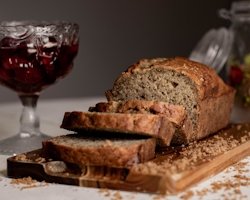
Ingredients
- 1 cup sourdough discard
- 1 1/2 cups grated zucchini
- 2 large eggs
- 1/2 cup vegetable oil
- 1 cup granulated sugar
- 1/2 cup brown sugar
- 1 teaspoon vanilla extract
- 2 cups all-purpose flour
- 1 teaspoon baking soda
- 1/2 teaspoon baking powder
- 1/2 teaspoon salt
- 1 teaspoon ground cinnamon
- 1/2 teaspoon ground nutmeg
- 1/2 cup chopped walnuts or chocolate chips
Instructions
- Preheat Your Oven and Prepare Loaf Pan: Preheat your oven to 350°F (175°C). Grease a 9×5 inch loaf pan or line it with parchment paper.
- Drain the Zucchini: If your grated zucchini is very wet, you might want to squeeze out a little bit of the moisture using a clean kitchen towel or a few paper towels.
- Mix Wet Ingredients: In a large bowl, combine the sourdough discard, grated zucchini, eggs, vegetable oil, both sugars, and vanilla extract. Stir until well mixed.
- Combine the Dry Ingredients: In a separate bowl, whisk together the flour, baking soda, baking powder, salt, cinnamon, and nutmeg.
- Combine Wet and Dry Mixtures: Gradually add the dry ingredients to the wet ingredients, stirring until just combined. If you’re using walnuts or chocolate chips, fold them in at this stage.
- Pour into Pan and Bake: Pour the batter into the prepared loaf pan. Bake for 60-70 minutes, or until a toothpick inserted into the center comes out clean.
- Cool and Serve: Allow the bread to cool in the pan for about 10 minutes, then remove it from the pan and let it cool completely on a wire rack.
Frequently Asked Questions
Q: How long does Zucchini Bread from Sourdough Discard stay fresh?
You can store Zucchini Bread from Sourdough Discard in an airtight container at room temperature for up to 3 days. For longer storage, freeze it in an airtight bag for up to 3 months. Thaw at room temperature before serving.
Q: Can I use active dry yeast instead of sourdough starter for Zucchini Bread from Sourdough Discard?
This recipe is specifically developed to utilize the natural wild yeast in a sourdough starter. While you can technically substitute commercial yeast, it requires drastically altering the hydration levels and proofing times, which changes the authentic flavor profile.
Q: Why is my dough too sticky or hard to handle?
Sticky dough is incredibly common in sourdough baking. It is usually caused by either over-hydration (adding too much water for your flour's absorption capacity) or over-fermentation. If the dough is unmanageable, try reducing the liquid by 5-10% on your next bake, or perform an extra set of stretch and folds to build gluten strength.