Ingredients
- 100 g ¾ cup brown rice flour
- 75 g ½ cup + 2 tbsp oat flour
- 75 g ½ cup + 2 tbsp tapioca starch (plus extra for dusting)
- 1 tsp salt
- 1 tbsp olive oil
- 180 –200 ml
Instructions
- Mix dry ingredients: In a large bowl, whisk together brown rice flour, oat flour, tapioca starch, and salt.
- Add wet ingredients: Drizzle in olive oil and gradually pour in the warm water, stirring until a soft dough forms.
- Knead lightly: On a surface dusted with tapioca starch, knead the dough for 1–2 minutes until smooth. If sticky, add a little more flour; if dry, add a splash more water.
- Divide and roll: Cut the dough into 8 equal portions. Roll each piece into a ball, then flatten with a rolling pin into thin circles about 6–7 inches across.
- Cook tortillas: Heat a dry skillet or cast-iron pan over medium-high. Cook each tortilla for 30–60 seconds per side, until light golden spots form.
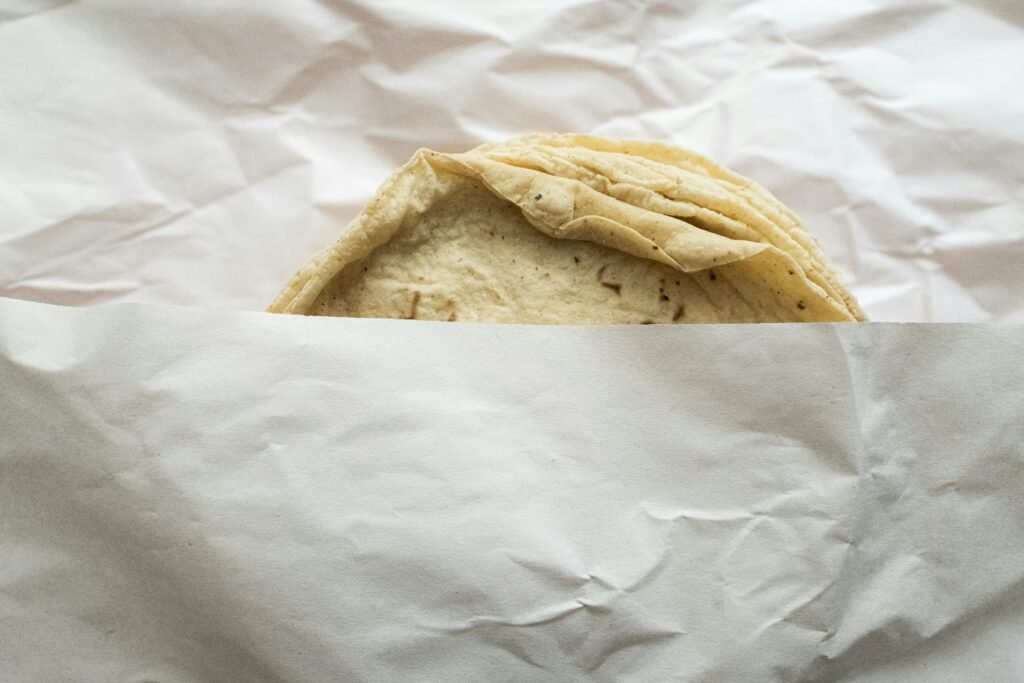
- Keep warm: Stack cooked tortillas and cover with a clean kitchen towel to keep them soft and pliable.
Frequently Asked Questions
Q: How long does Gluten Free Tortillas stay fresh?
You can store Gluten Free Tortillas in an airtight container at room temperature for up to 3 days. For longer storage, freeze it in an airtight bag for up to 3 months. Thaw at room temperature before serving.
Q: Can I use active dry yeast instead of sourdough starter for Gluten Free Tortillas?
This recipe is specifically developed to utilize the natural wild yeast in a sourdough starter. While you can technically substitute commercial yeast, it requires drastically altering the hydration levels and proofing times, which changes the authentic flavor profile.
Q: Why is my dough too sticky or hard to handle?
Sticky dough is incredibly common in sourdough baking. It is usually caused by either over-hydration (adding too much water for your flour's absorption capacity) or over-fermentation. If the dough is unmanageable, try reducing the liquid by 5-10% on your next bake, or perform an extra set of stretch and folds to build gluten strength.